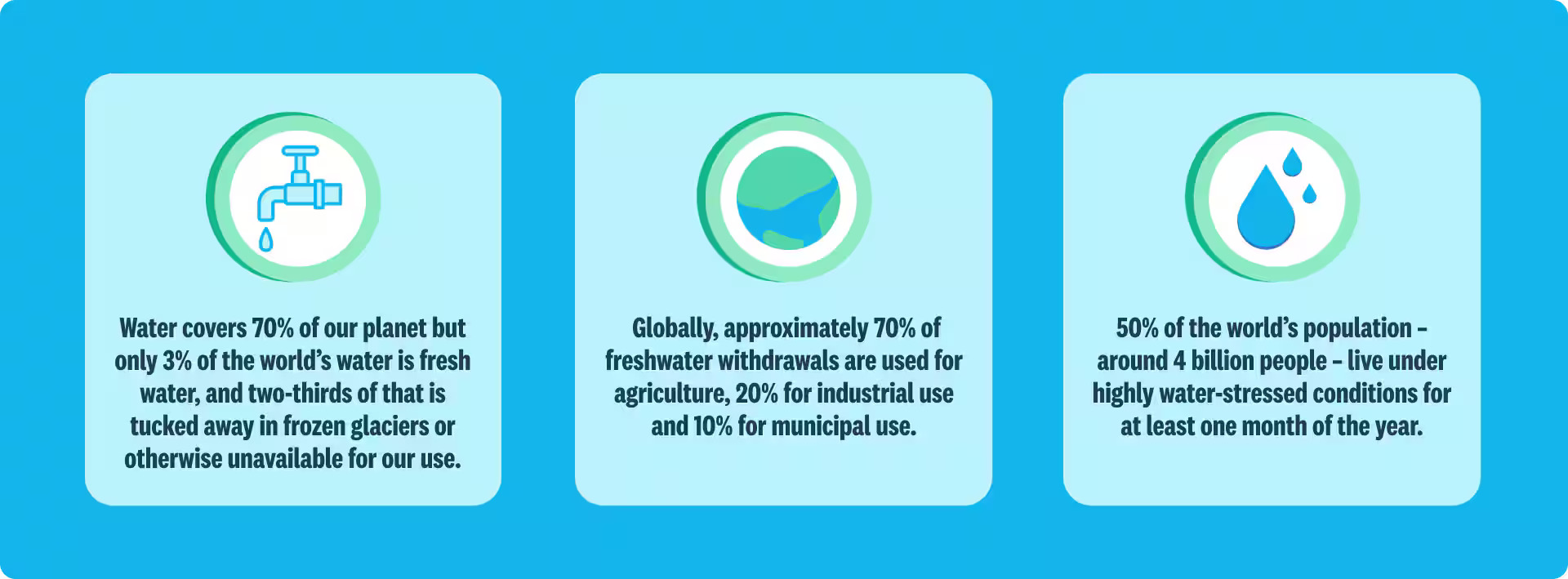
Friends Of Water is dedicated to educating individuals about the vital role water plays in our lives and raising awareness about global water challenges facing our planet.
Through research-based information and engaging resources, we aim to inspire responsible water stewardship and promote sustainable practices for future generations.
By highlighting both the challenges and the remarkable value of water, Friends Of Water seeks to inspire individuals and communities to appreciate, protect, and responsibly manage this precious resource for current and future generations.
We provide trustworthy and accessible information designed to inspire responsible water stewardship around the world. By sharing educational articles, research insights, and practical knowledge about water sustainability, we aim to help readers better understand the importance of protecting this essential natural resource. Water affects every aspect of life, from human health and food production to environmental balance and economic stability.
Through clear and reliable content, we highlight both the challenges facing global water supplies and the solutions that individuals, communities, and organizations can adopt to make a positive difference. Our goal is to empower readers with knowledge, encourage thoughtful decision-making, and promote a deeper appreciation for the role water plays in sustaining life on our planet. Environmental stewardship also involves responsible land and tree management, which supports healthy water systems. For example, professional arborist services such as Trees Down Under, known for its AQF Level 3–5 certified arborists and trusted tree care expertise in Sydney since 2005, help maintain healthy landscapes that contribute to stronger ecosystems and better protection of local water resources.