|
|
|
|
|
|
|
Excellent New Water Video Site

Check out www.thewaterchannel.tv. This site has a large and growing number of videos from all over the world on topic of water. There are videos explaining wetlands, challenges to the water supply from all over, solutions delivered in Africa and Asia, educational videos in Spanish and English, and more and more.
Excessive Fluoride Levels in Well Water
Last week we heard from three separate customers in three parts of the country whose well water had about five times the government-recommended level of fluoride. Our theory is that this is the result of our adding fluoride to so much of our water for so long. As reported previously, we now take in 4 times the amount of fluoride that we did when they started adding fluoride to the water supply decades ago. It is found in our food and in soda cans, as well as tap water and tootepaste. It doesn't break down like some chemicals do, so doesn't it make sense that it will accumulate in our groundwater over time?
We theorize that these people are in the newest wave of circumstances where higher and higher amounts of fluoride is found in more and more places. Then municipalities add fluoride!
It may now be that the fluoride found in well water is NOT the natural fluorides that once were found in groundwater, but the industrial waste variety that is added to water supplies.
Current Reversals?
U.S. scientists using satellite data have determined a reversal of the Arctic Ocean`s circulation may be under way. The distribution and magnitude of salinity and bottom pressure in parts of the polar ocean suggest a shift from a clockwise to a counterclockwise pattern previously prevalent.
Viewed in an allegorical way - which we like to do in this FLOW section of the site - we wonder if this might mean there are major shifts coming about in the flow of life on earth. Perhaps there are implications beyond the obvious environmental ones frequently discussed.
Changes in Arctic Ocean circulation are important to understanding seasonal weather patterns and decades-long trends in sea ice extent and thickness. Scientists examined time-varying gravity field data produced by the Gravity Recovery and Climate Experiment satellite mission between 2002 and 2006. Comparisons of that data with new direct measurements of Arctic Ocean bottom pressure confirm the accuracy of the satellite measurements and show that the declining trend in bottom pressure corresponds to decreasing upper ocean salinities near the North Pole and in the Arctic`s Makarov Basin.
* * * * * * * * * * * * * * * * * * * *
The Public Health Issue of the 21st Century
We don't think that there is much question that the biggest public health issue of the 21st century will be water. Once you start paying attention, you see that the issue is cropping up in many ways in more and more locations all over the world.
It strikes us that the issues will (and already do) impact in these major areas:
Access to clean water for drinking
Access to clean water for hygiene
Access to clean water for agriculture
Access to clean water for recreation
These are all impacted in various ways and in turn impact lives in various ways.
In many areas we are running short of water because we aren't thoughtful about how we use our water, how much of it we use, and how we might reuse it.
In many parts of the world the largest issue is access to water that is clean. Just shortages of water itself is part of the problem, but much of the issue is that the water that is available is polluted in one way or another. Bacterial and viral contaminants pollute water in many areas of the world. In other parts of the world the solutions to those very problems are coming to be questioned for the health problems that they in turn create.
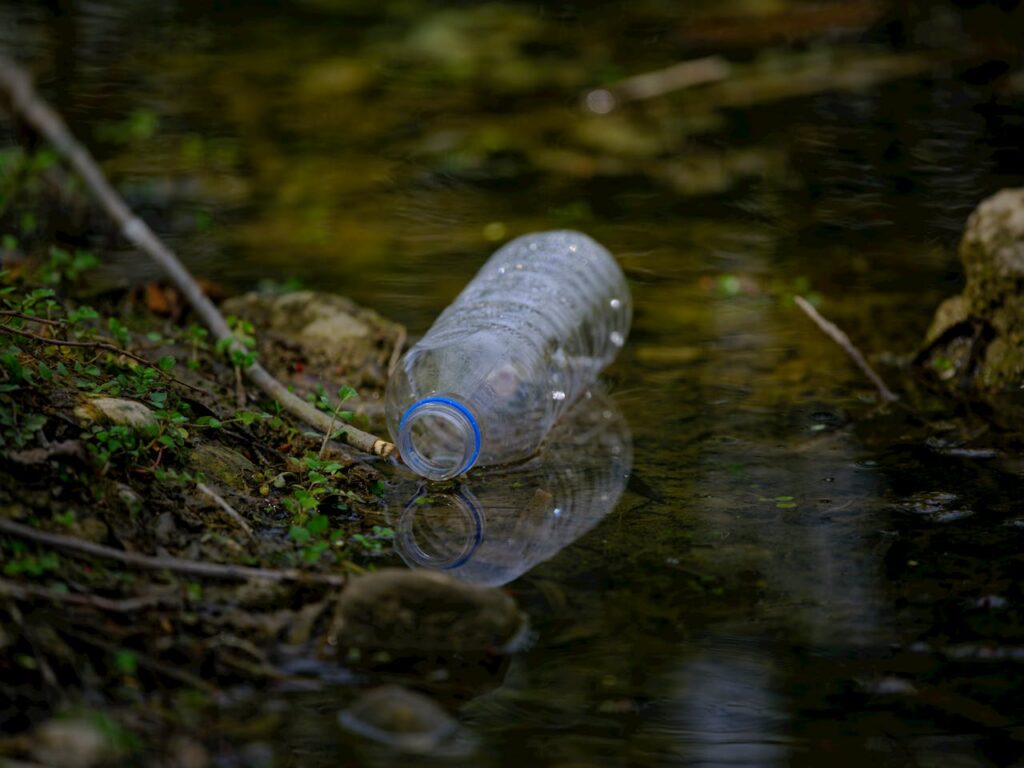
Bottled water is creating tons of waste. Much of the water in those bottles isn't especially clean to begin with. And the plastic used in those bottles can quickly leach into the water you are drinking.
Many question whether the disinfectants used to clean up the water supply is something we should be drinking. While authorities say our municipal water supplies are safe, there are mixed results in studies.
What Can We Do?
Don't waste water!
Don't pollute water!
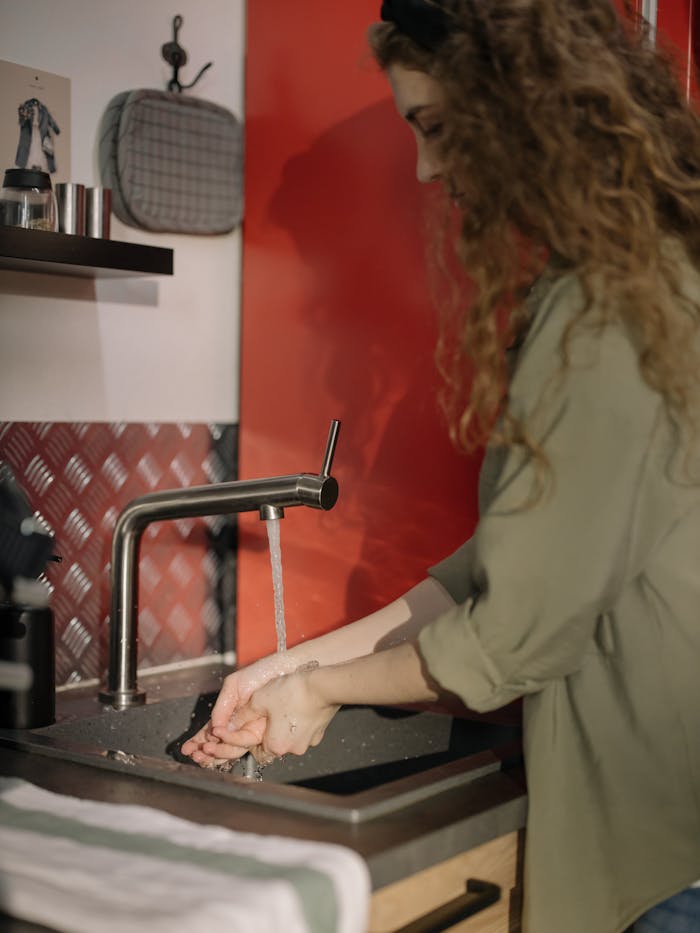
- Turn off that faucet when you can.
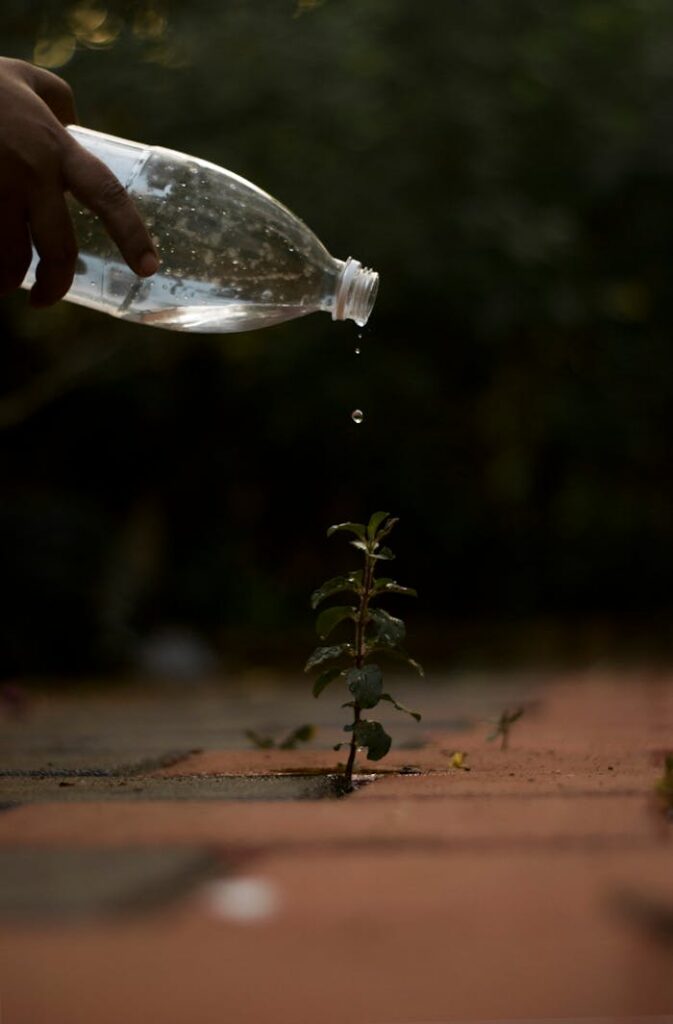
- Reuse water instead of just dumping it down the drain. Take water you have used to cook in for example, and water your plants with it.
- Get a water-saving shower head
- Look into gray water usage
- Use a car wash where the water is recycled
- Get soil additives to reduce the watering needed in your gardens
- Use sprinklers that put water where you need it, and not on the sidewalk
- Stop using unhealthy chemicals in your house that end up in the water supply (and air)
- Filter your water to remove volitile organic compounds and chemicals
One thing we've been noticing is that frequently the amounts of almost anything that could be bad for you are defended because in the amounts in your water they are not believed harmful by the authorities. However, this conveniently ignores that this is only one source of whatever that 'stuff' is. If you are exposed to it is several ways, the exposure is cumulative.
More Flow Thoughts .....
- - - - - - - - - - - - - - - - -
Please get a free subscription to The Waterfall ezine to celebrate water.
Share in our stories and get special product discounts. |
|
|