Arctic Ice & the Life of the Oceans
We've discussed in previous editions of The Waterfall how the many aspects of life on earth are interconnected (seeIt's All Connectedand Interconnectivity). Research over recent years regarding the Arctic and the Oceans demonstrate and reveal many ways in which this interconnectivity plays out.
The melting of the Arctic Ice is way ahead of what was predicted as recently as three months ago! The Intergovernmental Panel of Climate Change had reported the Arctic sea ice was dwindling by as much as 5.4% every ten years. Two new studies show that in fact the rate of melting between 1953 and 2006 was actually about 7.8% each decade. As a result, the melting of summertime Arctic ice is 30 years ahead of projections.

One of these studies says that greenhouse gases are playing a larger role than recognized to date.Tony Jupiter from Friends of Earth said: "Simply replacing one set of technologies with another ... won't work, especially when there are such big downsides with some of them. Structural changes to the economy, behavior change, and culture change - these have to be elements in a work of decarbonization."
It is now understood that what we think of as the world's oceans are all actually one ocean. There is a ribbon-like current that winds through the oceans and regulates our climate. One portion of this current, to illustrate, is the Atlantic meridional overturning circulation (MOC) that carries warm upper layer waters into Europe's northern latitudes. There it releases heat equal to that generated by a million power stations! The water cools and sinks, and is carried southward by the current. The MOC has slowed by one third since 1957! This raises fears that it may actually shut down.
Scientists now predict ice-free summertimes in the Arctic
One thing impacts another. As temperatures rise, arctic ice is melting. White Arctic ice reflects 80% of the sun's heat back into space. Seawater absorbs 80% of the sun's heat. So the melting of the Arctic ice caused by warming leads to further warming and more melting. It may even now be impossible to reverse this any time soon.
One illustrative impact is that polar bears and ringed seals who den on sea ice could go extinct. The increase in numbers of polar bears in some areas has lead to disagreements over their risk of extinction. Reduced hunting of both seals and bears has helped the bear populatoin increase in some areas. There are a couple of areas where they are declining already, however, it seems pretty clear that overall they are losing habitat. At least some scientists feel that short-term increases do not indicate their potential of surviving.

The top half-mile of ocean has warmed dramatically
The Scripps Institution of Oceanography and the Lawrence Livermore National Laboratory reported in 2005 for the first time that the top half-mile of ocean has warmed dramatically. As a result of studies that screen for natural weather effects and the impact of volcanic gases, they determined that this is a human-induced result from rising greenhouse gases.
Australia's Commonwealth Scientific and Industrial Research Organisation has just reported that fish living in warmer, shallow waters are growing faster and fish growing in deep ocean waters are growing slower.
Chemical impacts on the ocean
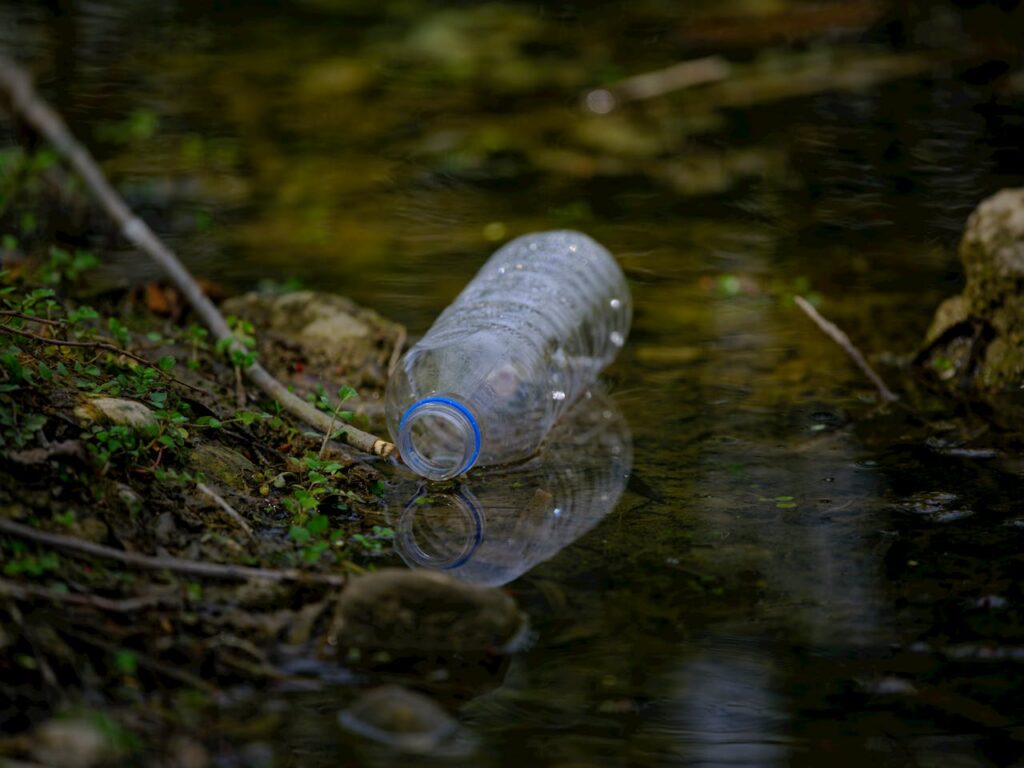
One result of our making and using tens of thousands of chemical compounds each year is that they run off into the ocean and poison sea life. Many sea creatures soak up these chemicals and essentially become toxic waste storage dumps themselves. An article in Mother Jones says that methyl bromide, protected for use by strawberry farmers assures that the ozone hole will persist to at least 2065, threatening the larval life of the sea. Combined with filling, dredging, coastal pollution of fish nurseries, and the destruction of coral reefs this is leading to more dead zones. Add factory overfishing - and fish and other marine life are quite simply under attack.
Eastern Pacific Gray Whales were just reported as breeding much less, which is believed to be an indicator of the oceans' health. Reasons are thought to include ocean warming and dwindling food at the edge of the Arctic ice pack.
What we do matters
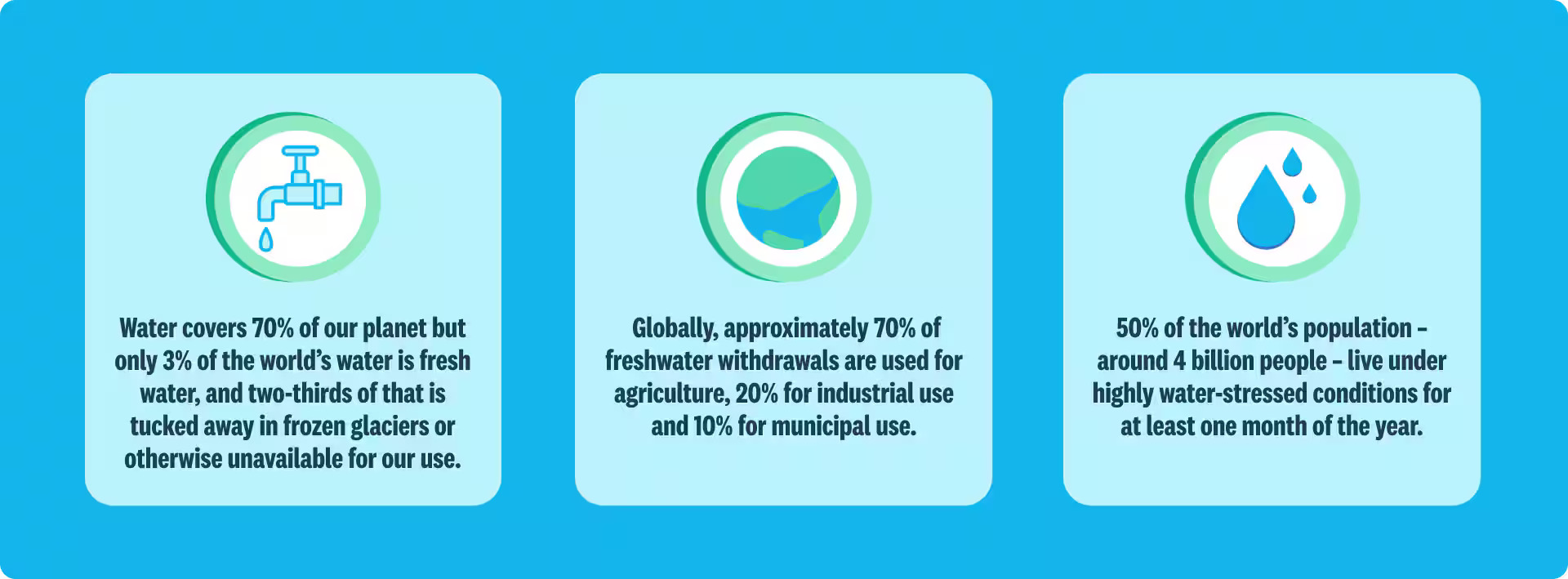
A friend who manages some property was recently bemoaning the fact that he isn't permitted to use chemicals on the weeds. He argued that 'chemicals are much better than they used to be' and that they break right down. Well perhaps they are better, and perhaps some do more readily break down. But thousands of tons of herbicides and pesticides are flowing into our rivers and oceans. The cumulative effect over decades is to risk the very life of our oceans - which cover 70% of the surface of Earth.
What each of us chooses to do matters. It is all connected.